Do solar panels increase home value?


Will Scholfield - Engineer
Do solar panels add value to your house?
Yes, nearly half (48%) of people would pay more for a home with solar panels already installed, BOXT research found.
A quarter of people (26%) want to avoid the hassle of installing panels themselves.
Nearly half (49%) of people would pay an extra 7.61% for a home with a high EPC rating of A or B.
BOXT surveyed 1,000 people aged 18+ via Censuswide in 2025 to understand their motivations around solar panels and purchasing a house. We respectfully request that adequate attribution is given to this original research if cited.
How much do solar panels add to the value of your home?
BOXT’s research found that solar panels can increase a home’s value by an average of 7.61%, equivalent to an additional £20,547 based on the UK average house price of £270,000.
Andy Pattison, Head of Renewables, says:
Green upgrades like solar panels are becoming a real factor when choosing a home. Households can save up to 84% on electricity bills with panels, while also boosting property value by thousands of pounds.
At BOXT, a 4kW system typically costs between £6,000 – £7,000, while bigger systems can run into the £9,000 – £11,000 range depending on size and setup. With grants and incentives making installation more accessible, if that investment could add, for example, £20,000 to a property’s value - it would deliver a strong return even if the home is sold within a few years.
How much solar panels could add to your home’s value per region
-
Yorkshire and the Humber house buyers would pay an average additional 11.3%, equivalent to an additional £23,133 based on the average regional house price of £206,000.
-
London house buyers would pay an average additional 10.36%, equivalent to an additional £56,669 based on the average regional house price of £547,000.
-
South West house buyers would pay an average additional 8.96%, equivalent to an additional £27,148 based on the average regional house price of £303,000.
-
North East house buyers would pay an average additional 8.41%, equivalent to an additional £13,708 based on the average regional house price of £163,000.
-
West Midland house buyers would pay an average additional 7.6%, equivalent to an additional £18,148 based on the average regional house price of £248,000.
-
Scotland house buyers would pay an average additional 7.33%, equivalent to an additional £14,074 based on the average regional house price of £192,000.
-
North West house buyers would pay an average additional 6.57%, equivalent to an additional £14,059 based on the average regional house price of £214,000.
-
Wales house buyers would pay an average additional 6.43%, equivalent to an additional £13,567 based on the average regional house price of £211,000.
-
East of England house buyers would pay an average additional 6.38%, equivalent to an additional £21,692 based on the average regional house price of £340,000.
-
South East house buyers would pay an average additional 5.94%, equivalent to an additional £22,809 based on the average regional house price of £384,000.
-
East Midlands house buyers would pay an average additional 5.34%, equivalent to an additional £12,869 based on the average regional house price of £241,000.
-
Northern Ireland house buyers would pay an average additional 4.67%, equivalent to an additional £9,013 based on the average regional house price of £193,000.
Note that average house prices are taken from Gov.uk’s 2025 house price index.
Andy Pattison, Head of Renewables, says:
These regional differences likely reflect a combination of factors; from the underlying property values in each area to how familiar people are with solar technology and local support available. In several regions there’s a growing awareness that regulations around energy efficiency are tightening and that future buyers may place increasing value on low-carbon features.
Ultimately, there are a range of factors that come together to determine the value they add, such as where the property is, how efficient the panels are, the local property market and the energy costs in the area. It's important to remember that property prices and the UK housing market are shifting constantly, so no one can ever say for certain the extent to which solar panels can add value to your home.
For up-to-date property value estimates, it's always best to contact a local estate agent with expertise on the house prices in your area.
What are the other benefits of installing solar panels?
Even if you aren't looking to increase the value of your home, you can still enjoy a whole range of benefits by choosing to install solar panels on your property's roof space or in your garden.
Reduced energy bills
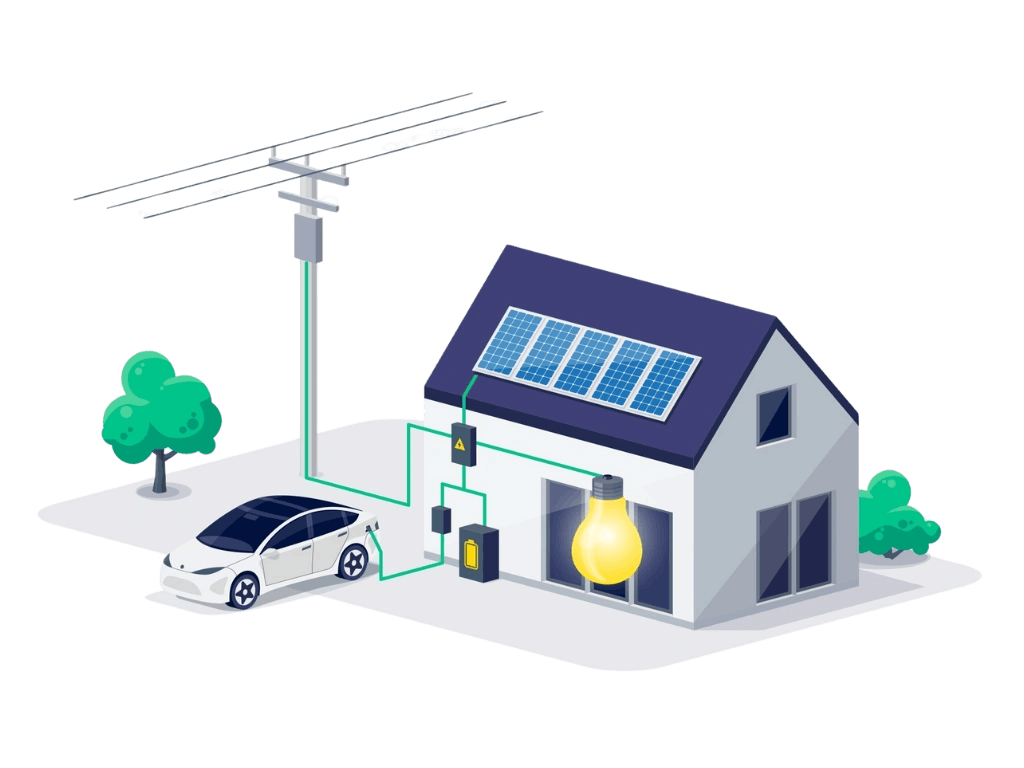
While the upfront cost of a solar PV system is not insignificant, solar panel owners see significant reductions in their annual energy bills. You could be saving up to £91 a month (or £1,096 a year).
This is because solar panels generate electricity using sunlight, an abundant resource which is free for us to harness.
Renewable energy and sustainability
Solar energy is a renewable, green energy source. By harnessing sunlight, solar panels reduce dependence on fossil fuels, help decrease greenhouse gas emissions, and help us reduce our carbon footprints.
Energy independence
Using solar power, homeowners can enjoy a degree of energy independence. In practice, this means that the energy you generate from each solar panel will reduce your reliance on the National Grid's supplies. This can help reduce your vulnerability to spikes in wholesale energy prices and, if you have battery storage, provide you with a backup power supply in the event of a power cut.
Tax incentives and rebates
Subject to conditions, the government offers tax incentives, rebates, or other financial benefits to encourage the adoption of solar energy in the UK. These incentives help reduce the initial installation costs, making solar panels a more attractive and realistic investment.
You can check your eligibility for these green incentives here.
Job creation and economic growth
As it has grown from strength to strength, the solar industry has been creating jobs and contributing to economic growth in the UK. More job opportunities in manufacturing, installation, maintenance, and other services are created as solar adoption increases.
Improved grid resilience
Solar panels distributed across a community can contribute to a more resilient National Grid system. By generating electricity closer to the point of use, solar energy reduces transmission and distribution losses, enhancing the Grid’s overall stability.
Positive community impact
Solar panels on residential properties can positively influence the perception of renewable energy in the wider community. Visible solar installations can serve as a great visual reminder of the importance of sustainable energy and encourage others to consider renewable energy options.
Opportunities to sell surplus energy back to the National Grid
In some cases, having solar panels could be a way for you to make money. If solar panel systems produce more electricity than you need, you can store it in battery storage systems and sell it back to the National Grid.
Going back to the question of whether solar panels add value to your property, having a way to make more money can prove incredibly attractive to potential buyers.
Embrace solar energy with help from BOXT
Finance plans are available from BOXT for solar installation, including 0% options, no deposit options, and interest bearing finance. Get a quick online quote to get your fixed price and monthly finance options (no contact details required).
If you're still unsure and want to learn more about how it all works, get in touch with one of our solar experts.
*Subject to availability, T&Cs apply.